











I always drink afternoon tea casually.
Is there anything you've actually been wondering about?
Answering questions from customers
I will answer your question honestly.









How Afternoon Tea is made
Did you know?
You can only see it by visiting the factory
Learn about the secrets of the manufacturing process and recycling.
I'll explain it in secret.








Packing afternoon tea
Plastic bottles are
Do they arrive empty at the factory?
What water do you use to make tea?
What happens to the water after it has been used in the factory?

Do you let the extracted tea cool before packing it into containers?
Do you pack it and then let it cool?
The raw materials used after making Afternoon Tea are:
How are you doing?
The sterile room in the filling area where tea is packed into containers is
How do you keep it sterile?
It was rejected during inspection on the production line.
What will happen to the product?
Before labeling, the products are on the conveyor.
They're all here, but why do they move at different speeds?
What goes into making Afternoon Tea delicious?



I want to make Afternoon Tea taste even better.
I want to enjoy it in different ways depending on the season.
"Afternoon Tea" Advanced
To respond to your request,
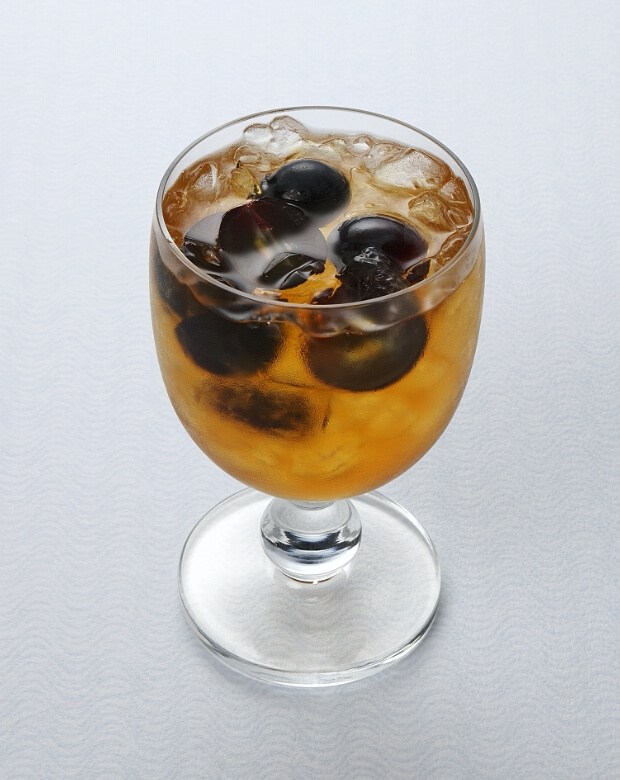
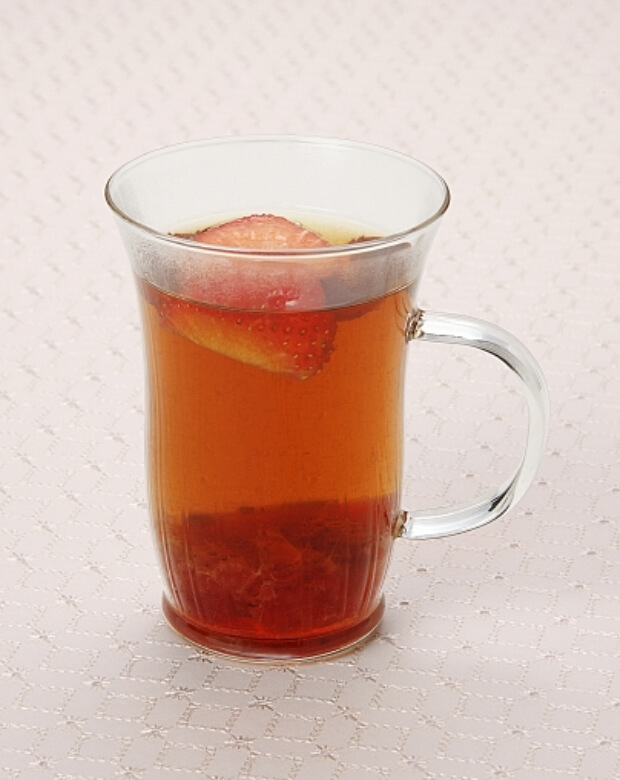
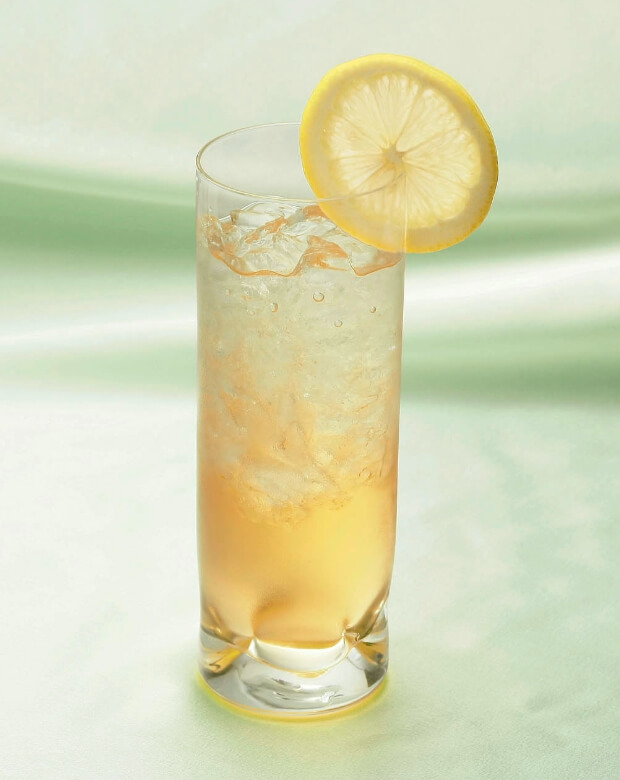
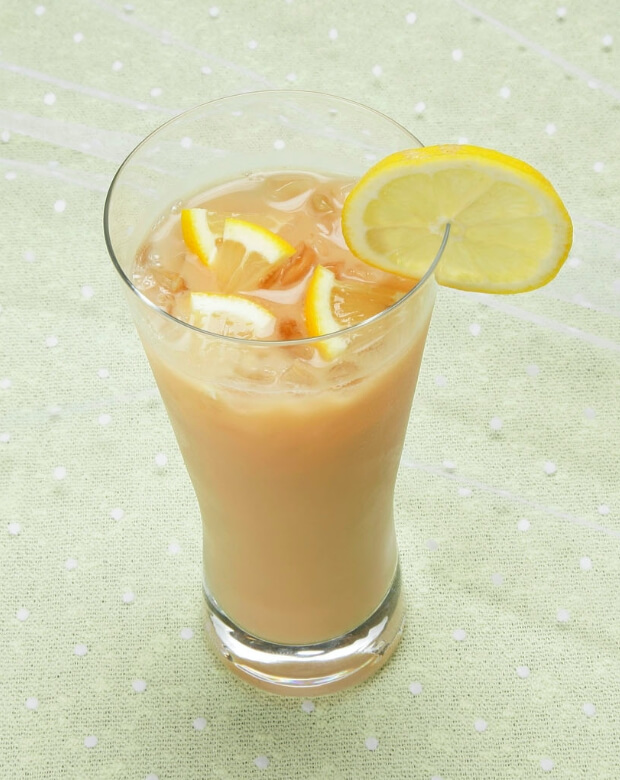
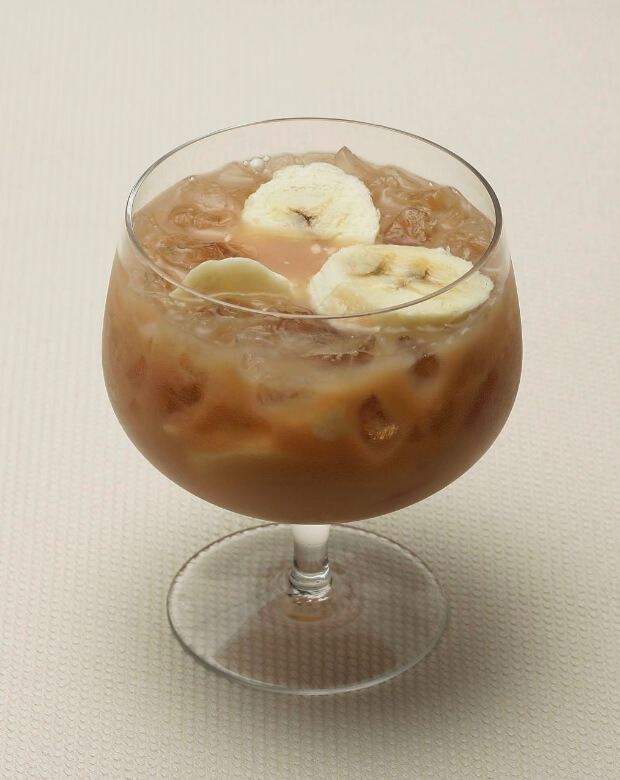
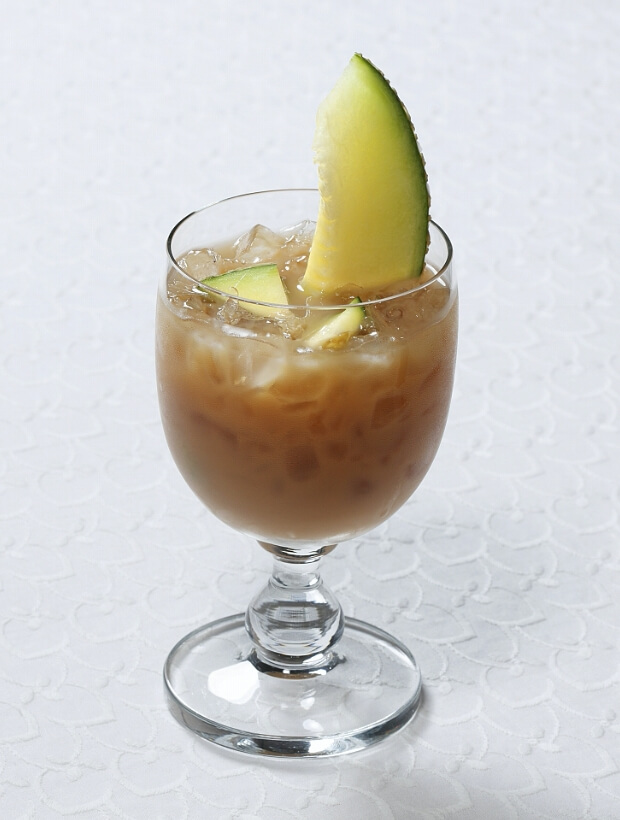
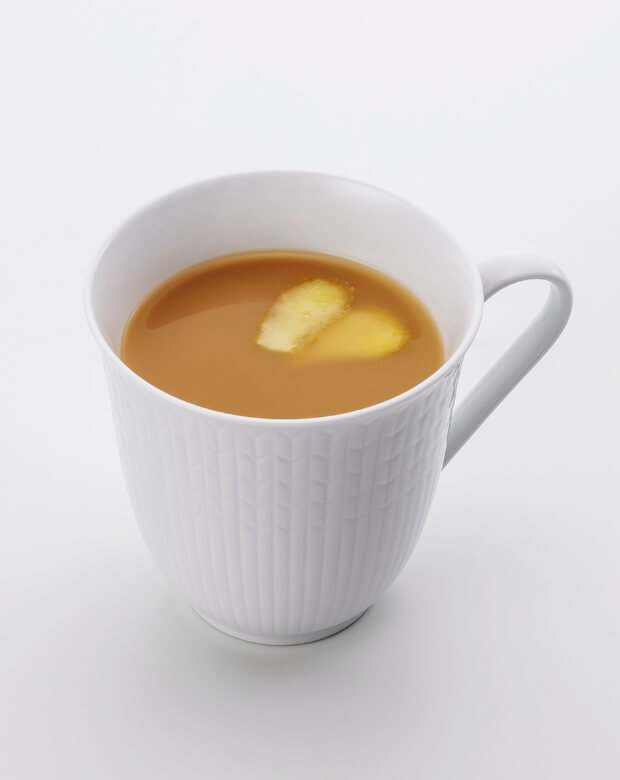
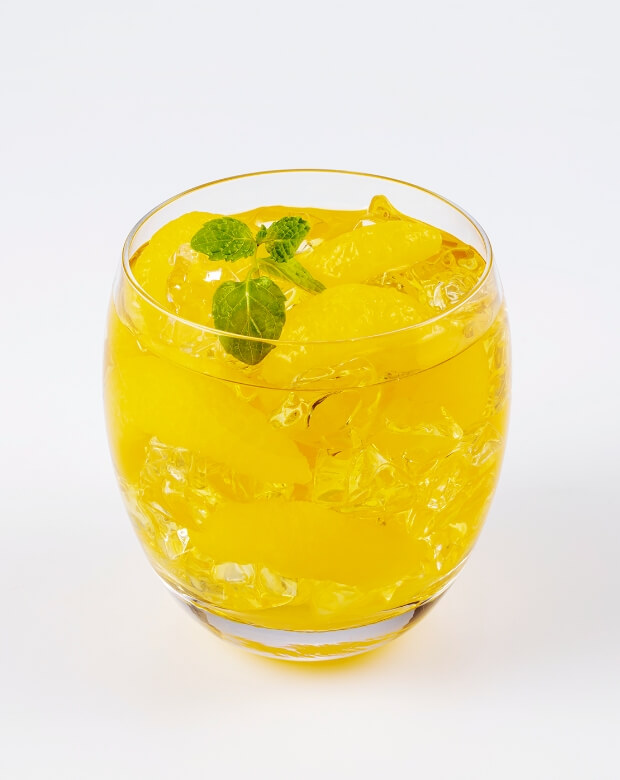
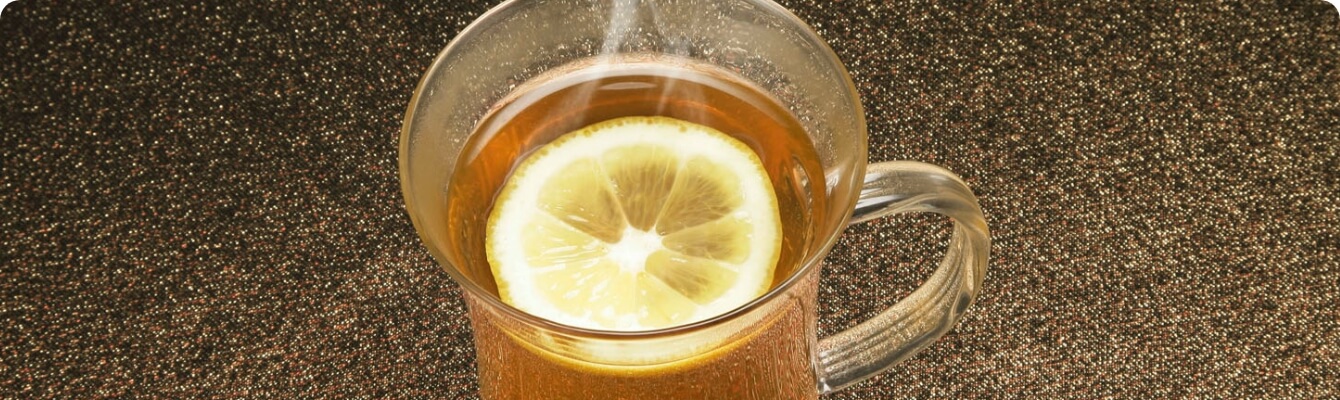
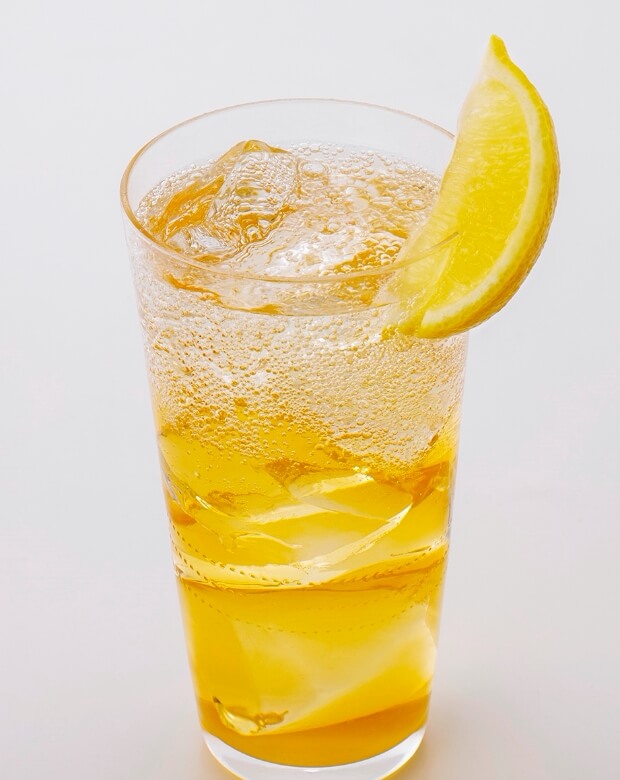
I'll teach you my special recipe.






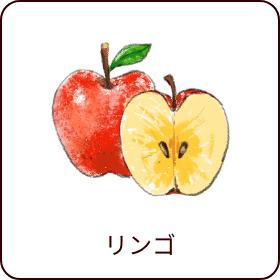
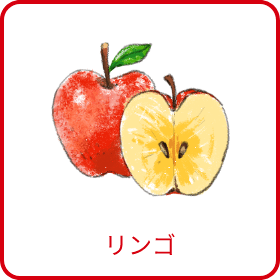
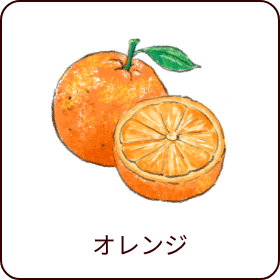
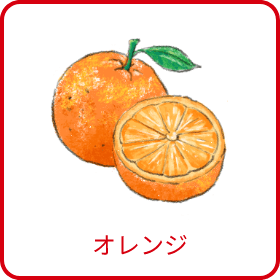
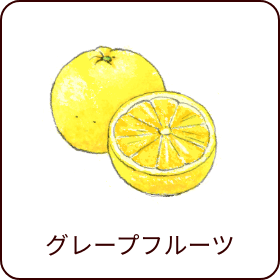
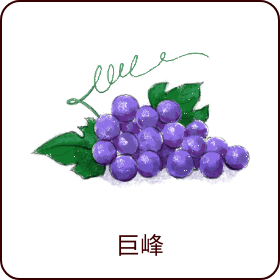
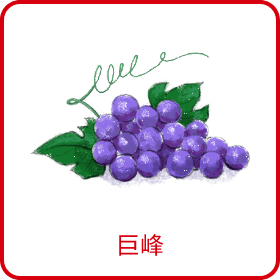
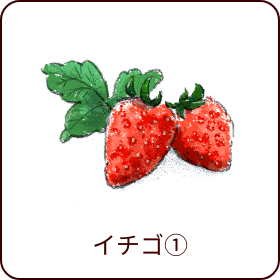
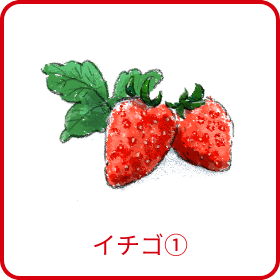
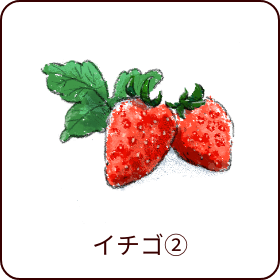
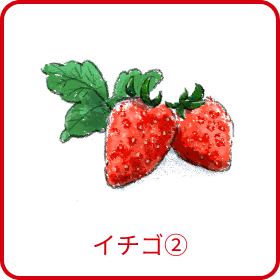
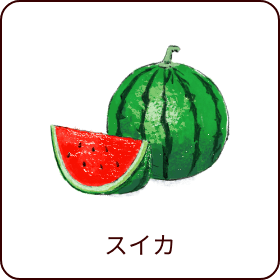
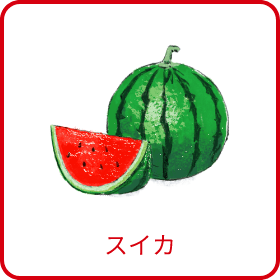
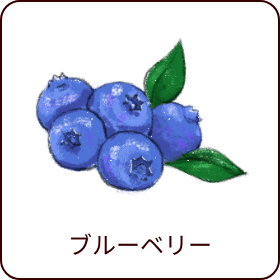
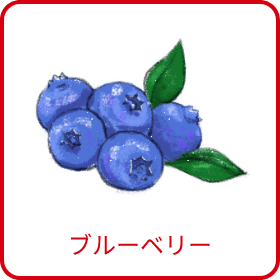
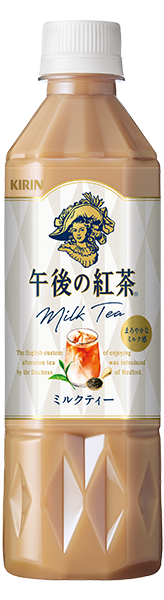
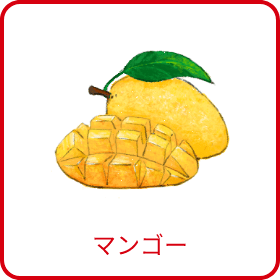
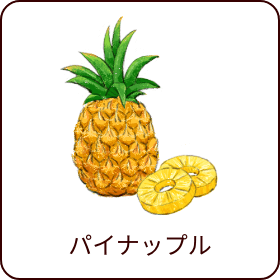
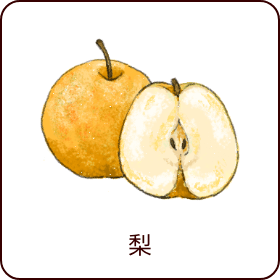
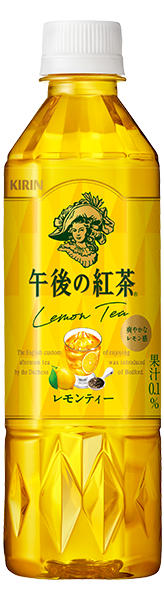 *Fruit juice 0.1%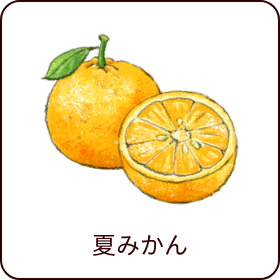
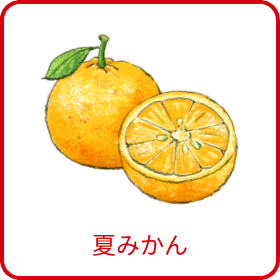
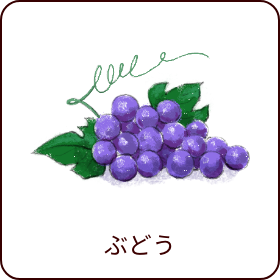
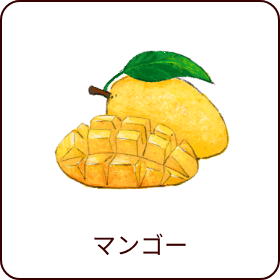


The vague feeling about Afternoon Tea is,
The problem has been neatly resolved!
The secret behind the deliciousness of "Afternoon Tea"
If you want to actually experience it,
Please come and visit our factory.
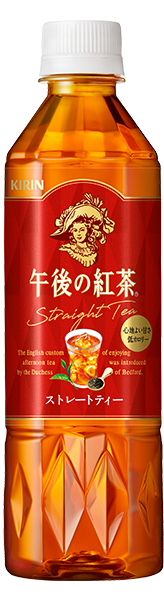
Afternoon Tea was first released in 1986.
Straight tea is now available in a 1500ml PET bottle.
Until then, the only commercially available tea drinks were canned.
Afternoon Tea Straight Tea is the first in Japan
It is now available as a bottled tea drink*.
*Researched by Food Marketing Research Institute, Inc.
(Major beverage sales manufacturers and can manufacturers in 1986)
(Based on interview surveys conducted with the target group)
Several years have passed since Afternoon Tea was released in 1986.
Since around 1990, it has been nicknamed "Afternoon Tea."
It's a friendly and charming name, but unfortunately, the person who gave it to him is unknown.
Kirin didn't start calling out intentionally,
Customers started calling us by their own initiative and the name has become established.

The product name of Afternoon Tea comes from the tea ceremony held in the 19th century by the aristocracy of England, the home of tea.
It originates from the elegant tea ceremony custom of "afternoon tea."
At that time, aristocrats' dinners were held late, around 8pm, after enjoying a concert or a play.
I often found myself hungry by dinnertime.
The time between 3:00 and 5:00 pm was introduced as a snack time to combat hunger.
Afternoon tea. Sandwiches and scones to satisfy your hunger.
Tea brewed in a teapot was enjoyed with cakes and other dishes.
Drink your afternoon tea any time you like, morning or evening.
Of course, like the British custom of afternoon tea,
Perfect for tea time at 3pm or when you're feeling a bit hungry.
It's also perfect as a snack.
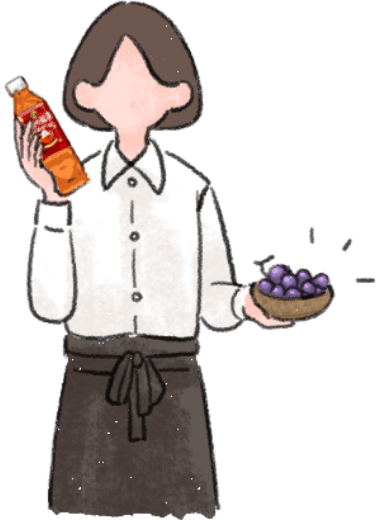
The woman in the illustration on Afternoon Tea is a British aristocrat.
Anna Maria, 7th Duchess of Bedford (1783-1857).
She is a British tea culture and the custom of afternoon tea.
He is known as the person who started it.

Afternoon Tea is a blend of tea leaves from all over the world.
We mainly use tea leaves from Sri Lanka.
The Kirin Group builds strong partnerships with the production areas and the people who work there,
In order to continue providing Afternoon Tea made with high-quality tea leaves,
We are implementing the Kirin Sri Lanka Friendship Project.
Specifically, the tea plantations in Sri Lanka, where the tea leaves used in Afternoon Tea are grown,
Support for more sustainable farm certification and
We are involved in two activities: donating books to the schools attended by children on the farm.

Afternoon Tea is a drink that makes the most of the characteristics of each tea leaf for each flavor.
We select varieties that are compatible with each other.
[Straight tea]
Dimbula (usage ratio: 20%)
We use Dimbula tea leaves, the queen of Ceylon black tea, which are characterized by a gorgeous rose-like fragrance and a pleasant astringency.
Grown in mid to high altitudes, its gorgeous aroma and well-balanced astringency make it perfect for straight tea.
[Milk tea]
Kandy (usage ratio: 20%)
We use "candy tea leaves," which are characterized by their rich flavor and rounded softness.
Grown in lowlands, it contains less tannin, which is the source of astringency.
The mild, mellow flavor is perfect with milk tea.
[Lemon tea]
Nuwara Eliya (usage ratio: 15%)
We use Nuwara Eliya tea leaves, which have a refreshing aroma like freshly picked fruit.
Grown at high altitudes, its fruity and light flavor pairs well with citrus fruits.
Perfect with lemon tea.
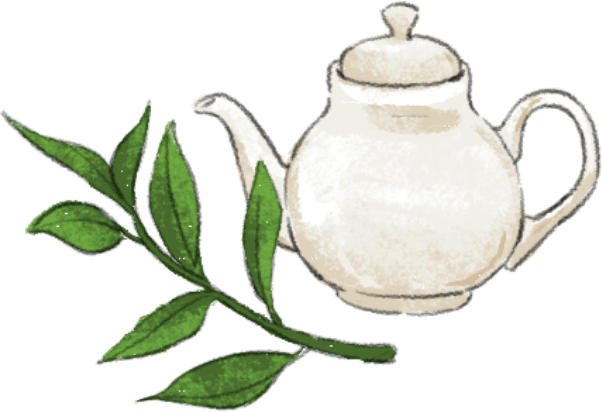
At Kirin, we refer to black tea without adding milk or lemon.
It is defined as "straight tea."
Afternoon Tea Straight Tea is
A moderate amount of sweetness is added to make this tea a great way to enjoy straight tea.
Hot tea products are available in a variety of styles, including tea leaf blend, sweetness, strength, and aroma.
It is made to taste even better when served hot.
Therefore, the contents are different from cold products.
No coloring agents are used.
The clear red color of Afternoon Tea comes from the tea leaves when the tea is brewed.
It has a beautiful color, but black tea tends to become cloudy when it cools.
For this reason, it was thought to be difficult to commercialize black tea in plastic bottles.
Kirin has been working to maintain its beautiful tea color.
Through trial and error, we have been able to select the right tea leaves and perfect the brewing method.
We have developed a "clear iced tea recipe" that keeps tea from becoming cloudy even when chilled.
When you have your afternoon tea,
Not only is it delicious, but you can also enjoy its clear, unclouded color.
Regular Afternoon Tea products (straight tea/milk tea/lemon tea)
The square container with a diagonal cut that is used is called a "crystal bottle."
It was born from a technique called "sensory engineering," which expresses the impressions people have in form.
Kirin's unique shape makes the clear tea look even more sparkling and beautiful.
It was developed to convey from its appearance that it is an authentic and delicious tea.
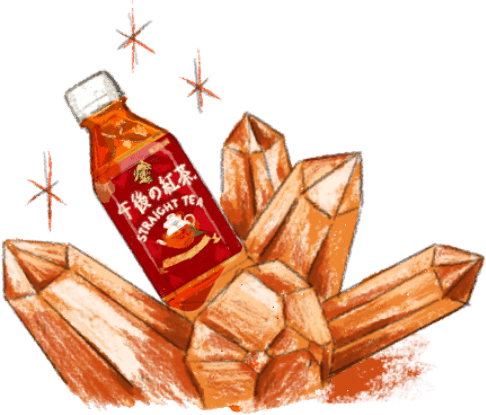
Delicious unsweetened 500ml PET bottle
Made using recycled plastic bottles.
It is printed on the cap of a plastic bottle or on the bottom of a can alongside the expiration date.
The letters are manufacturer-specific codes that indicate where the product was made.
In the case of Afternoon Tea, products made at the Shonan factory are marked with an "S",
Products made at the Shiga factory are marked with the letter "K."
The manufacturer's unique code can be found on Kirin's website.
Manufacturer's unique code search (soft drinks)
Afternoon Tea is exported to Taiwan and Hong Kong.

Afternoon Tea is produced at Kirin Beverage's Shonan and Shiga factories.
Daily production capacity varies depending on the factory.
At its peak, the Shonan Factory produced approximately 2.5 million 500ml PET bottles.
At the Shiga factory, the figure is approximately 2.16 million units.
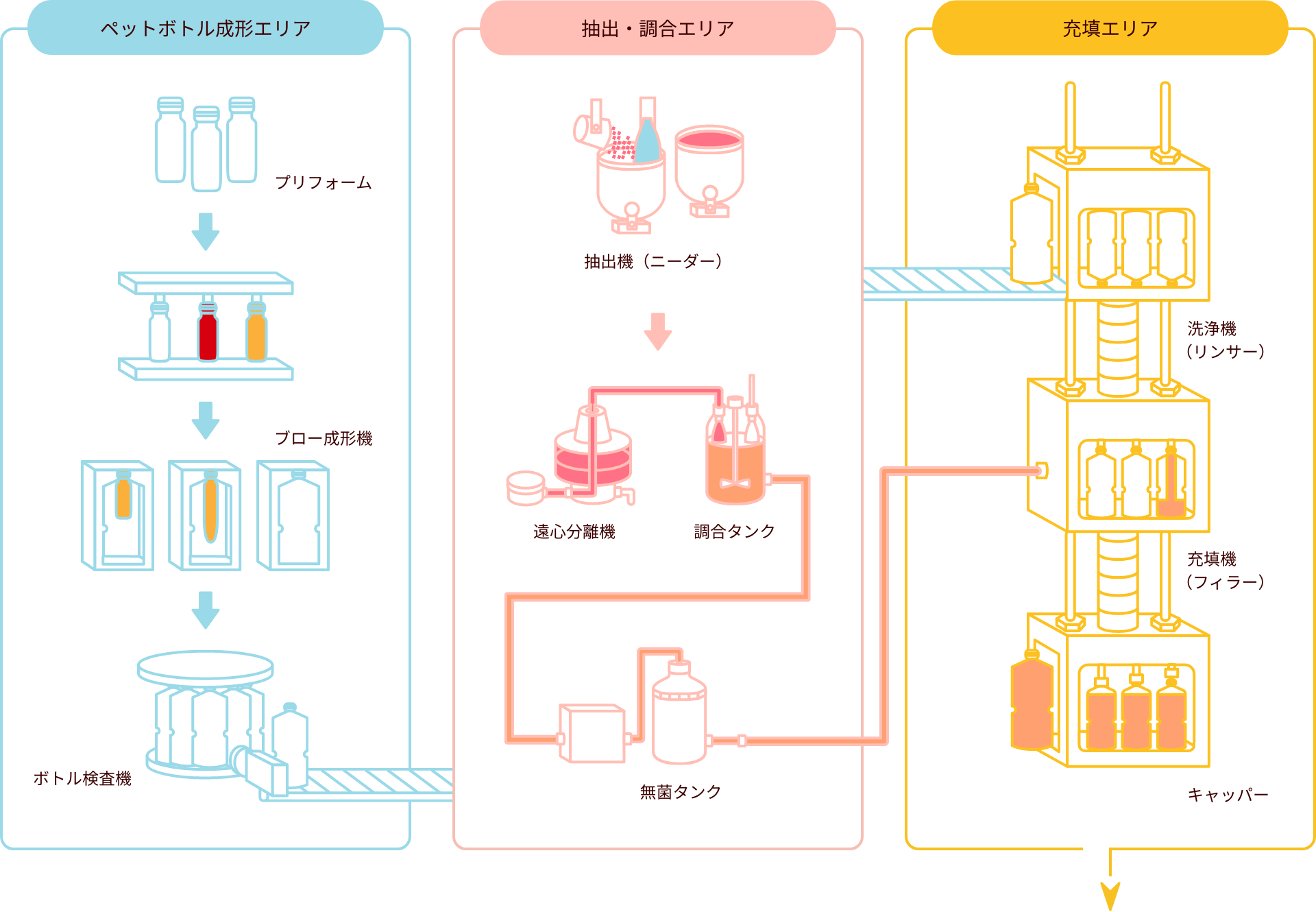
Afternoon tea in a plastic bottle
It takes about an hour and a half to produce one piece.
PET bottle molding area
PET bottles are molded in factories.
The original test tube-shaped material called a "preform"
It is heated and softened in the machine before being placed in a mold.
When inflated with high-pressure air,
This will result in an empty plastic bottle container.

Extraction and blending area
The water used to make tea varies from region to region.
The Shonan Factory uses water from the Lake Sagami water system, while the Shiga Factory uses deep water from the northern part of Lake Biwa.
Before use, it is purified in the factory.
After use, the wastewater is cleaned at the wastewater treatment plant within the factory before being returned to the local river.
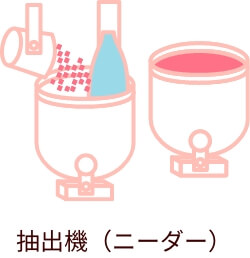
Extraction and blending area
Extraction and blending area
The extracted tea is cooled to room temperature and then put into a centrifuge.
The tea leaves are packed into containers after removing any residue or impurities.
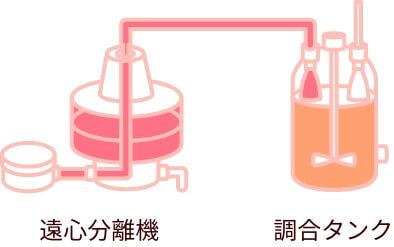
Extraction and blending area
Tea leaves and other materials are composted and used primarily as fertilizer for growing vegetables and fruits.
The various by-products and waste generated during the manufacturing process at Kirin's own factories are
It is carefully separated into different materials and 100% recycled.
It is used as a blast furnace reducing agent and compost.
Filling Area
By changing the pressure inside the sterile room and creating a vacuum, bacteria and
It keeps dust from getting in.
The exit where the PET bottles filled with tea move from the sterile room to the next area
Although the room is not airtight, the air pressure is increased (positive pressure) to prevent outside air from entering, so the sterile room is always kept clean.
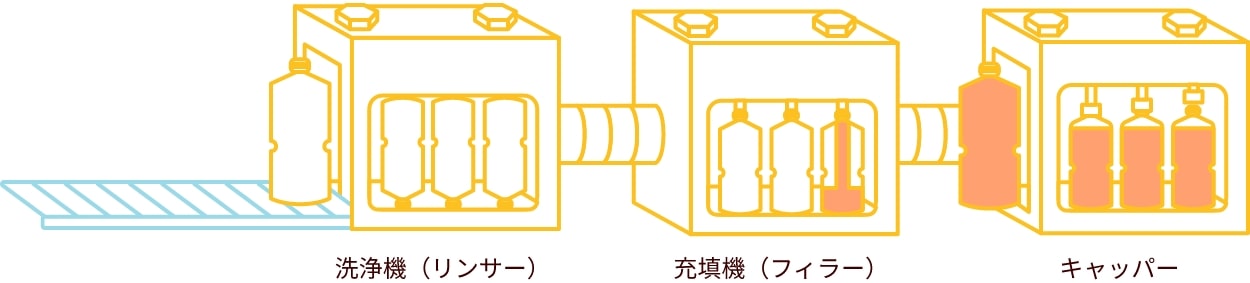
Filling Area
Filling Area
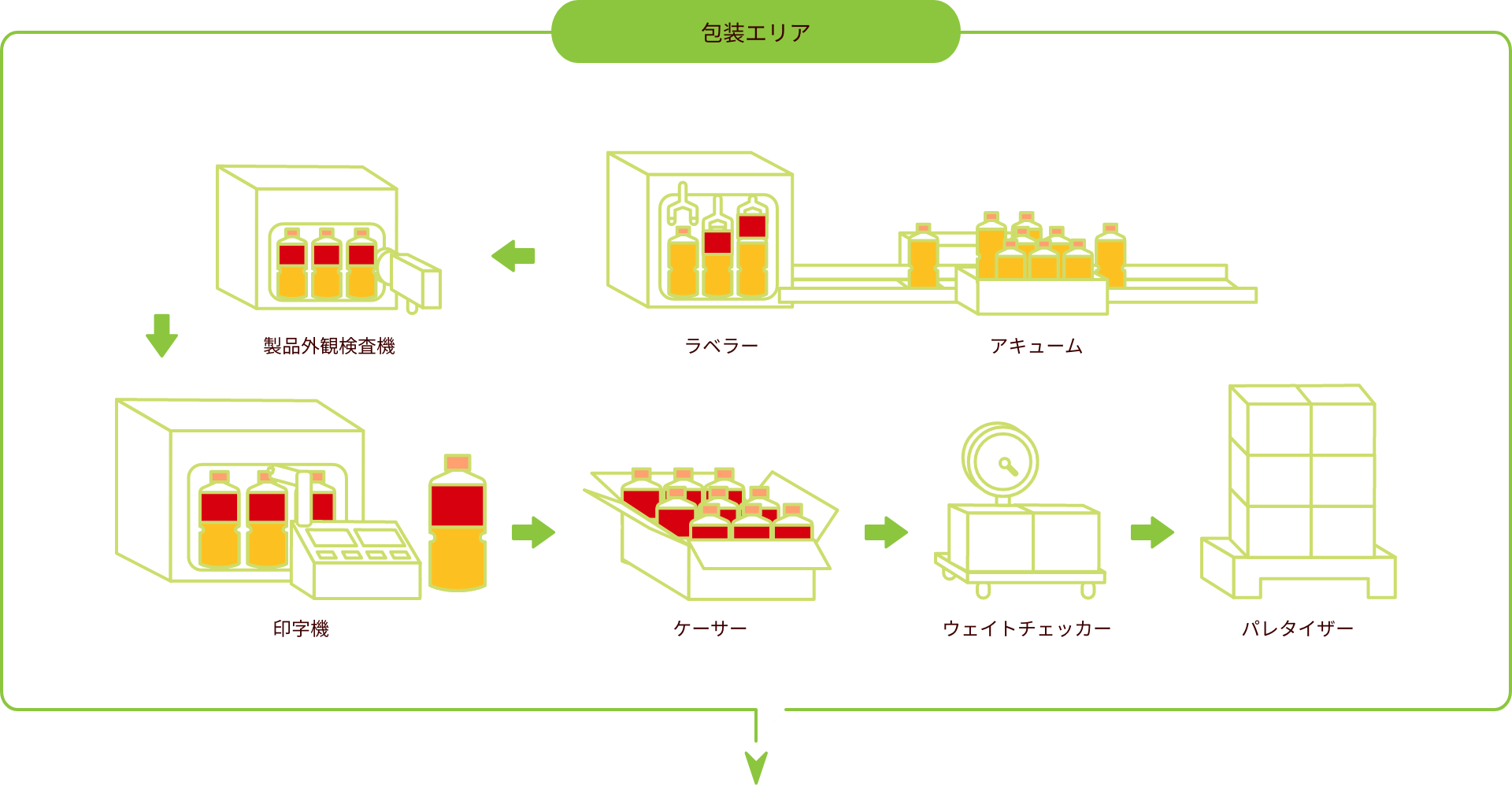
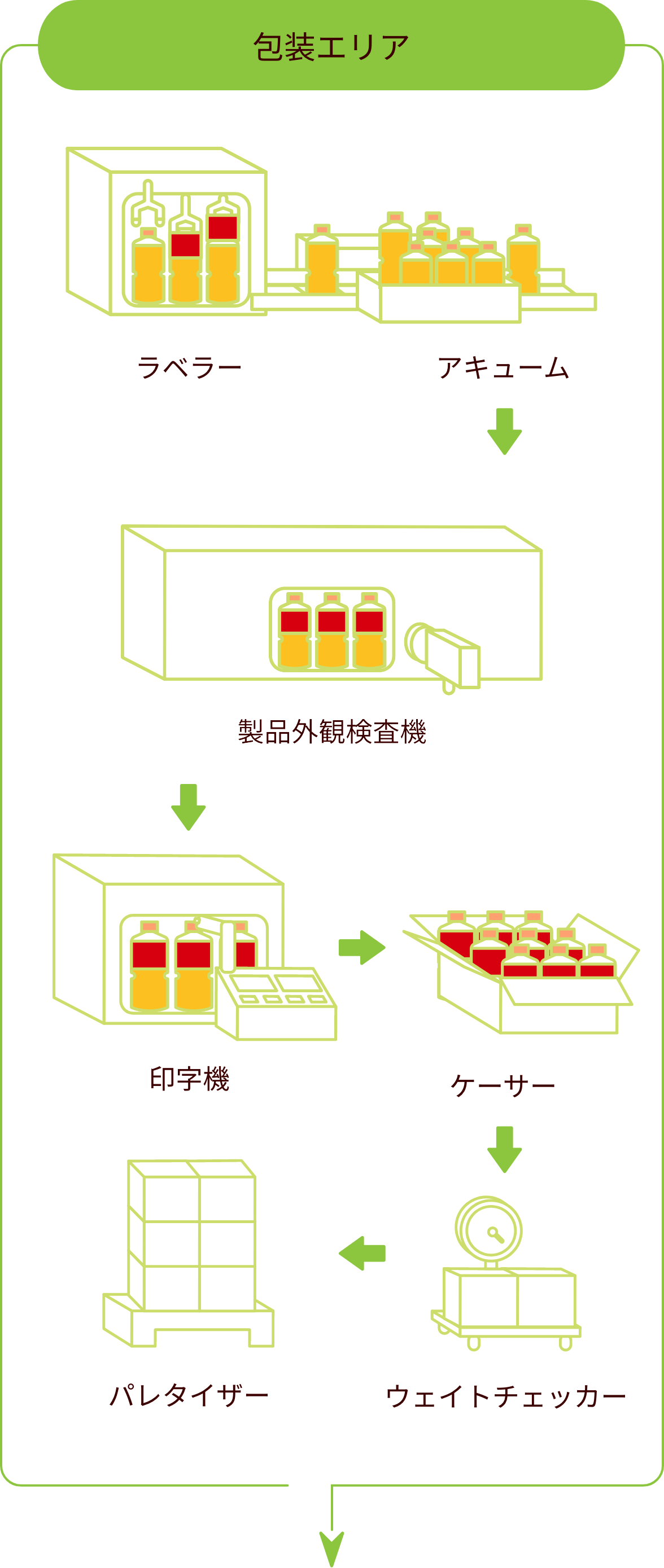
Packaging Area
Products heading to the packaging area are lined up on a conveyor,
Waiting for my turn to put the label on.
The conveyor is not made of a single plate, but of several plates connected together.
The transport speed can be adjusted by changing the speed at which each plate moves.
A conveyor that can change speed and store products like this is
It is called an "accumulation conveyor."
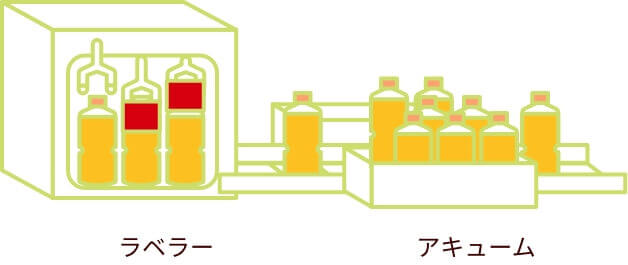
Packaging Area
Products that do not pass inspection on the production line will be re-inspected.
For example, if the label is misaligned,
Peel off the label and return to the labeling process.
Only if a re-inspection reveals a problem that makes it impossible to continue production,
Containers are sorted by material and recycled.
The contents are cleaned at the wastewater treatment plant within the factory before being returned to the local river.
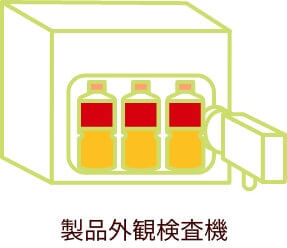
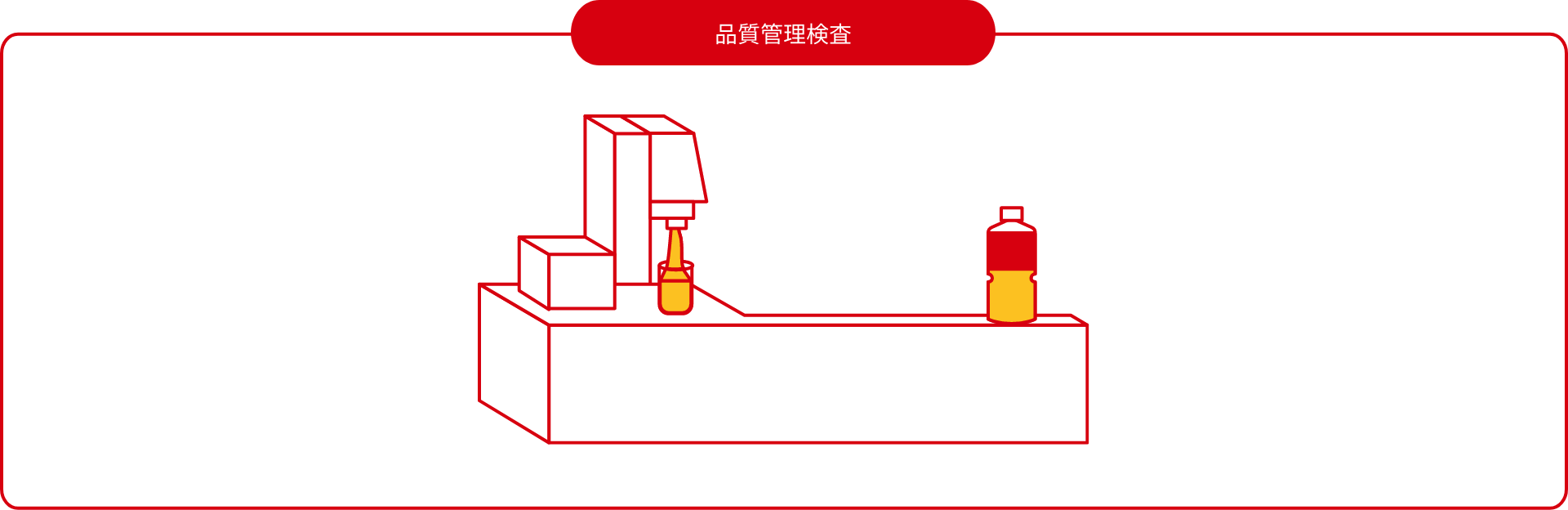
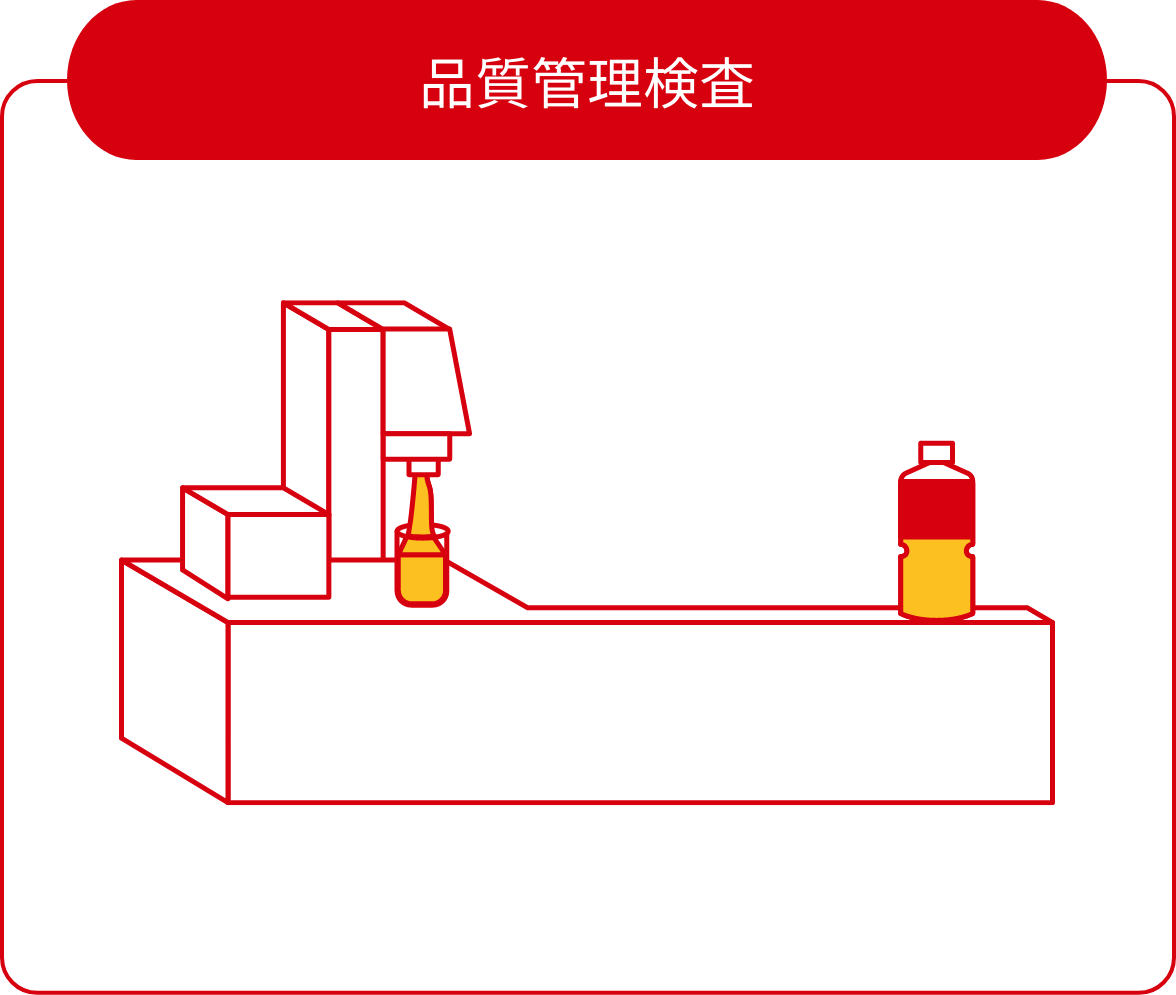
Quality Control Inspection
Afternoon Tea is committed to providing the "authentic taste of black tea."
Therefore, when you use a teapot at home to carefully brew tea from tea leaves,
They use the exact same manufacturing process.
Rather than leaving it up to the machines, factory employees actually handle the products and
We conduct repeated inspections, including visual inspection and taste checks,
We have strict quality control to deliver delicious tea.
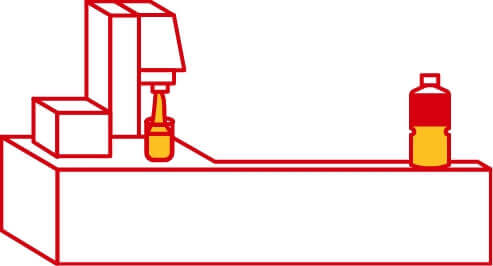
We want as many people as possible to enjoy our Afternoon Tea.
While striving to create safe and secure products,
We create each and every product with love.
At the Shonan and Shiga factories where Afternoon Tea is made,
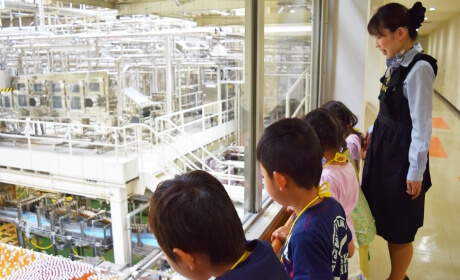
We offer factory tours.
Please come and visit the actual factory and experience the secret behind the deliciousness of Afternoon Tea.
[Recommended points for factory tours]
Experience the actual manufacturing process right in front of your eyes
・PET bottle molding machine: You can experience how a PET bottle expands.
- A printer that prints expiration dates: You can print a commemorative stamp for your visit.
[Popular photo spots that look great on social media]
・In front of the panel depicting a tea plantation in Sri Lanka in the Secret Archives (Shonan Factory)
- Both the Shiga and Shonan factories have photo spots for commemorative photos.
Be sure to take some photos as a souvenir of your visit.
*Tour contents and photo spots vary by factory, so please contact each factory for details.
Cold products are kept at around 5℃.
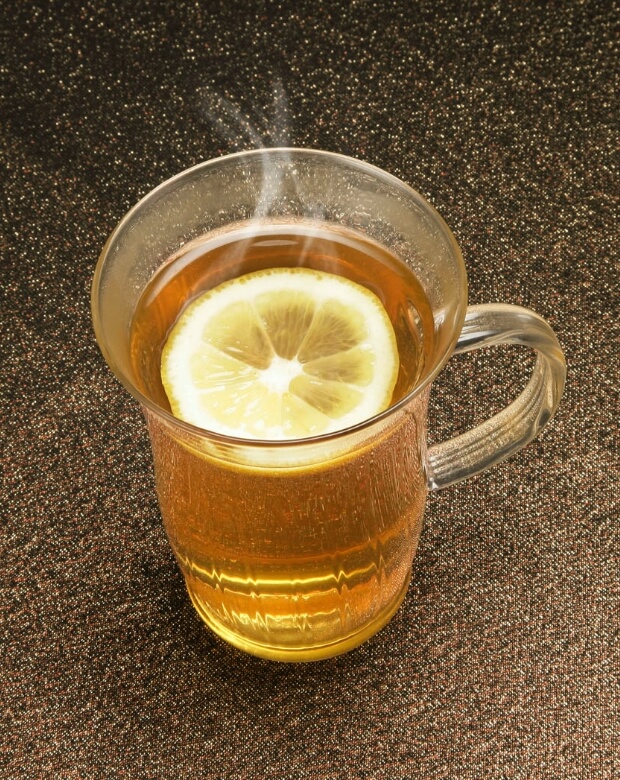
We recommend drinking hot products at 55-60°C.

It is delicious even when warmed,
Cold products taste better when chilled.
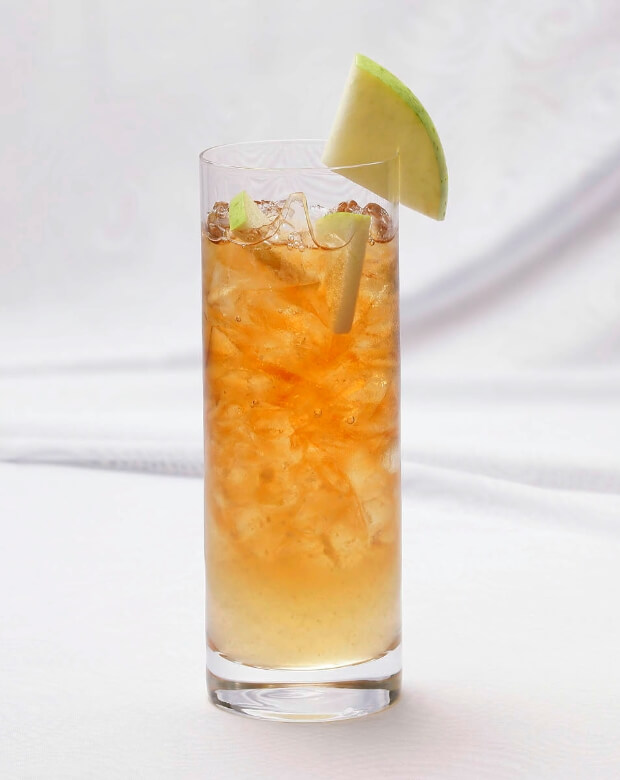
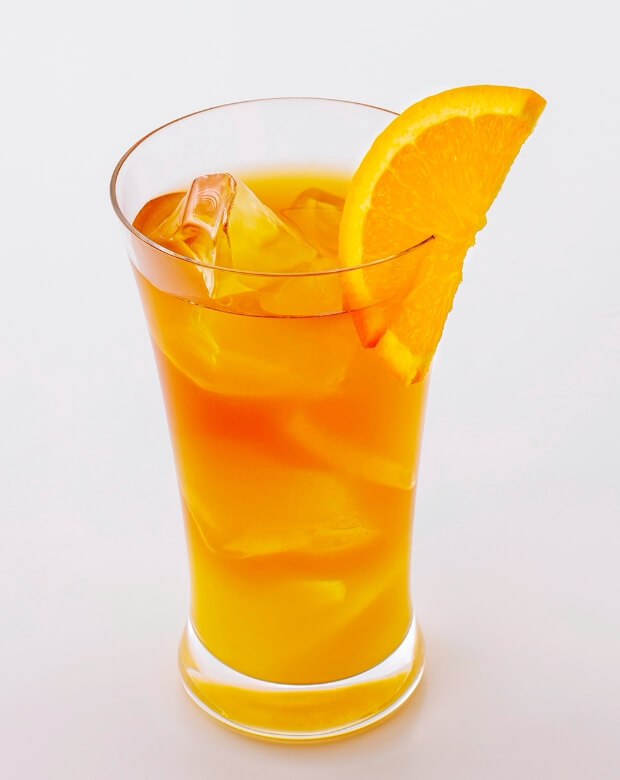
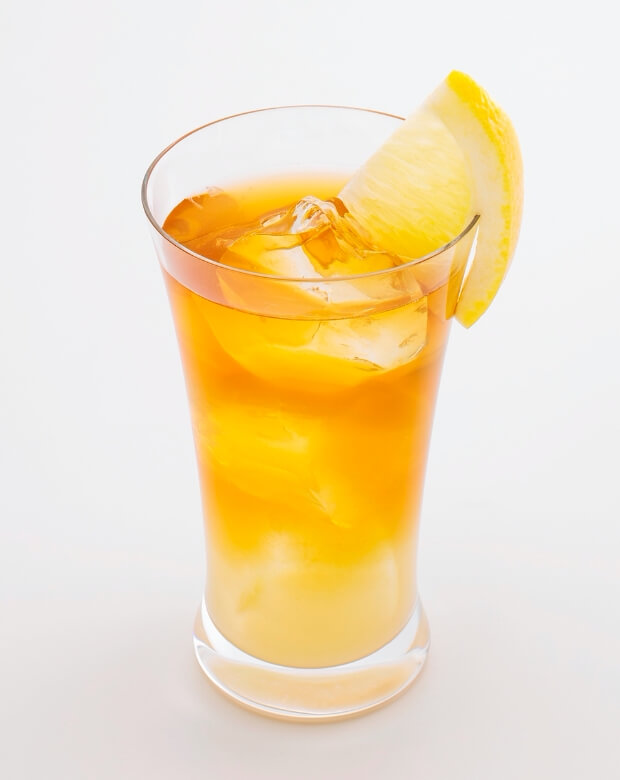
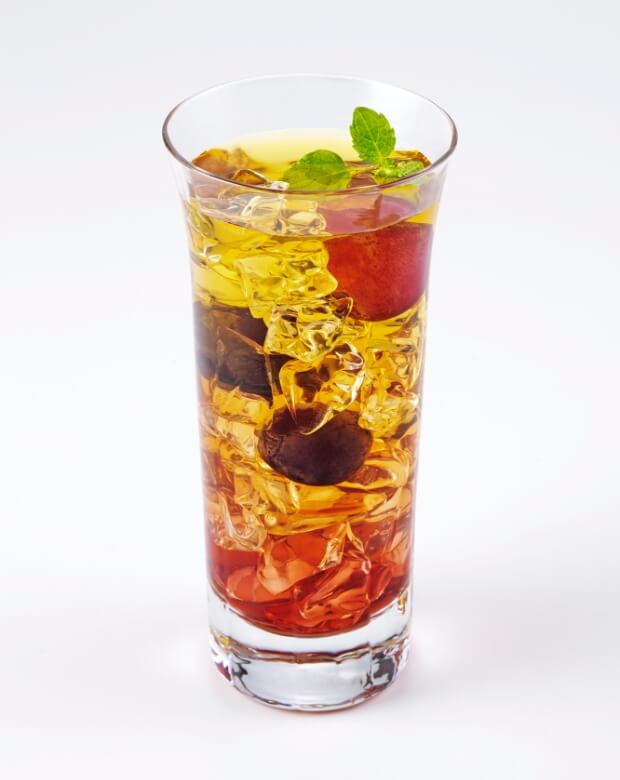
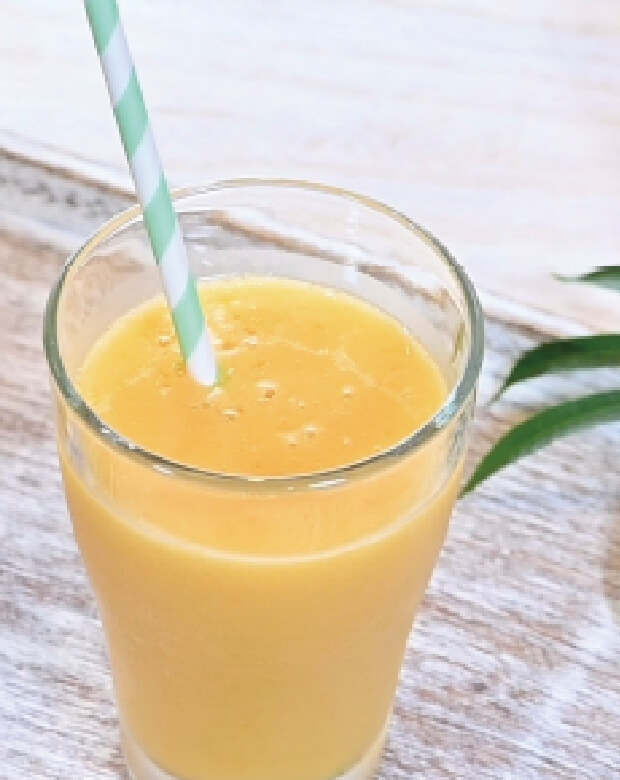
Afternoon tea pairs perfectly with fruit.
Please try making your own tea at home using the recipes for these modified teas.